A site fee, a capacity, the year the barn went up: the listings here run on hard numbers, checked August 2026. Some venues quote only by inquiry, so we printed what we could verify and left the rest out.
See the five towns ›Drive west out of Austin and the blackland runs out within half an hour, replaced by limestone hills that were a seabed 100 million years ago. That old Cretaceous rock set the terms: it dissolves, slowly, into spring fed creeks and swimming holes the color of bottle glass. Live oaks here stand for two or three centuries, so the tree shading your ceremony may have been shading somebody before Texas was a state. Couples noticed long before the magazines did.
The wedding economy is no accident. Dripping Springs has carried a formal designation from the Texas Legislature since 2017, renewed in 2025, and these towns now compete for couples the way other counties compete for factories. Two of them even wrote the night sky into local code, Dripping Springs in 2014 and Fredericksburg in 2020, which means a late send off happens under actual stars. The venues followed the land: dance floors beside spring water, reception barns raised around the oaks rather than in place of them.
What follows is a directory in the older sense of the word: forty venues we can vouch for, sorted into five towns, each entry printing a fee or a headcount instead of an adjective. The dance halls out here were built as clubhouses by German farmers' associations and singing clubs, and the region has been throwing organized parties in them for a century and a half.
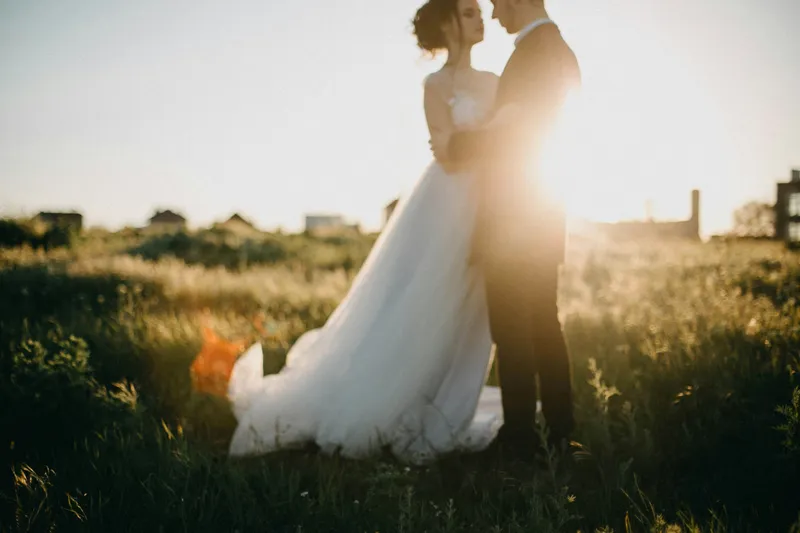
The two step is the first dance nobody rehearses.
The Legislature has designated exactly one Wedding Capital of Texas, and this is it: more than 3,000 weddings a year across 30 plus venues, with Driftwood's hilltop ballrooms and wildflower meadows folded into the same corridor.
Drive into Dripping Springs →
John O. Meusebach founded this German colony in 1846, then rode out the next year and struck a peace treaty with Penateka Comanche leaders that both sides kept, one of the few settler agreements with that record.
Drive into Fredericksburg →
Wedding searches for Wimberley jumped 900 percent in a single quarter, and the draw is water: the Blanco River and Cypress Creek meet here, and the square sits within strolling distance of both.
Drive into Wimberley →
Gruene Hall, up and running since 1878, is the oldest continually run dance hall in Texas, and it hosts no weddings at all.
Drive into New Braunfels →
Boerne, Comfort, and Sisterdale make up the quiet German corner of the Hill Country, where the old buildings never stopped working; they just took up weddings on the side.
Drive into Boerne →
Every town out here runs its own wedding economy, with its own price floor and its own closing time. Start with the stretch of road that fits.
Dripping Springs holds its title by act of the Legislature: House Concurrent Resolution 70 formalized the designation in 2017, and HCR 58 renewed it in 2025.
12 venues→RR 02Fredericksburg & LuckenbachFredericksburg runs on hospitality math no other Hill Country town can match, which matters most on a wedding weekend, when a guest list needs forty rooms on short notice.
10 venues→RR 03WimberleyThe scenery in Wimberley starts underground. Edwards limestone dissolves into features like Jacob's Well, a spring that drops 30 feet straight down into 4,500 feet of surveyed cave and flowed without pause in recorded history until the year 2000.
6 venues→RR 04New Braunfels & GrueneGruene Hall, 6,000 square feet of tin roof and open side flaps, has operated since 1878; George Strait played his first show there on February 21, 1976, for 25 cent admission and a $7 payday.
6 venues→RR 05Boerne, Comfort & SisterdaleThis corner runs quieter than the 290 corridor. The Kendall, an 1859 creek side inn on the National Register, anchors Boerne from its seat on Cibolo Creek, while Sisterdale amounts to little more than its circa 1890 dancehall and West Sister Creek, which is the appeal.
6 venues→One publishes its full price list. One lets you walk to the oldest dance hall in Texas for the after party. One is a city park with an hourly rate card.

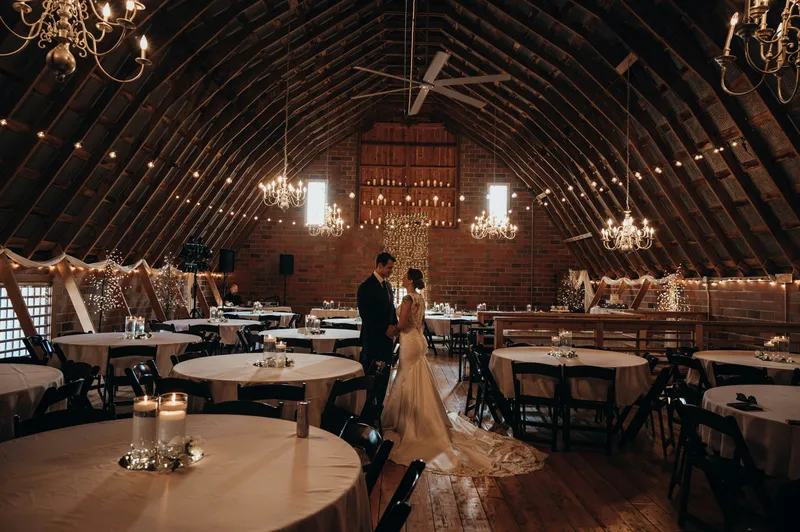
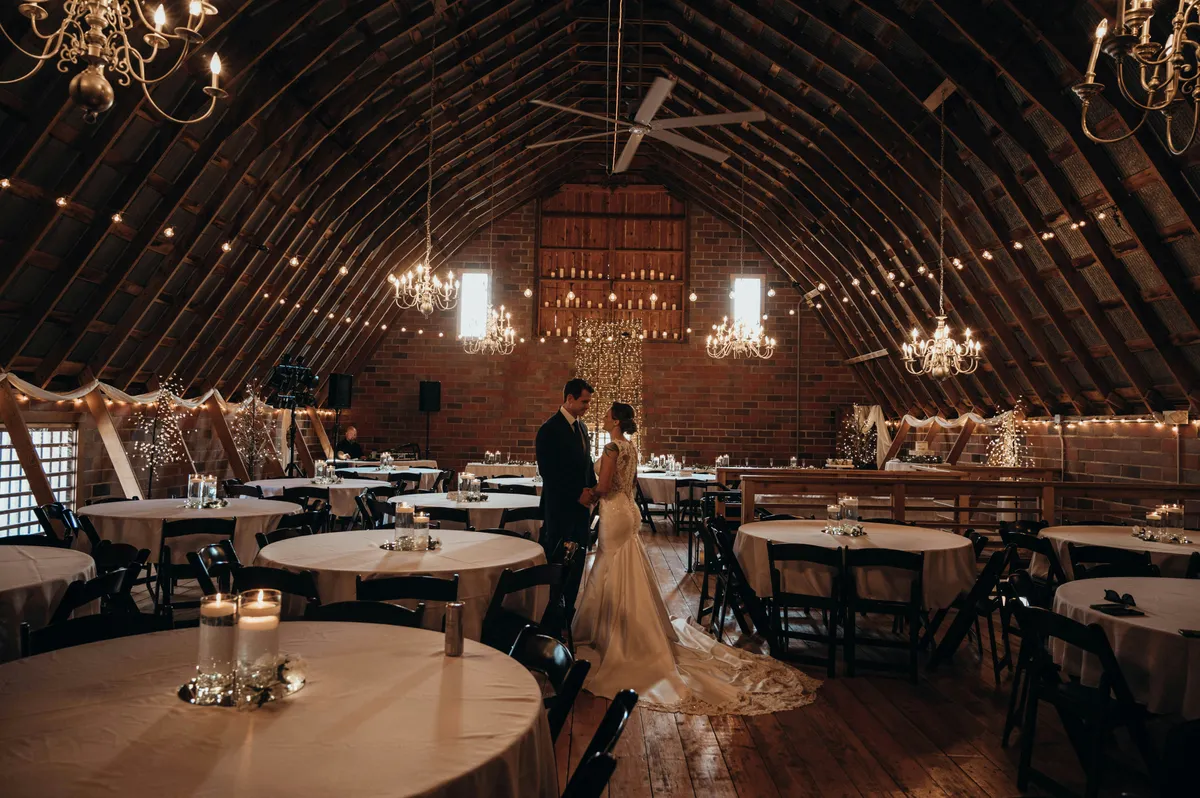
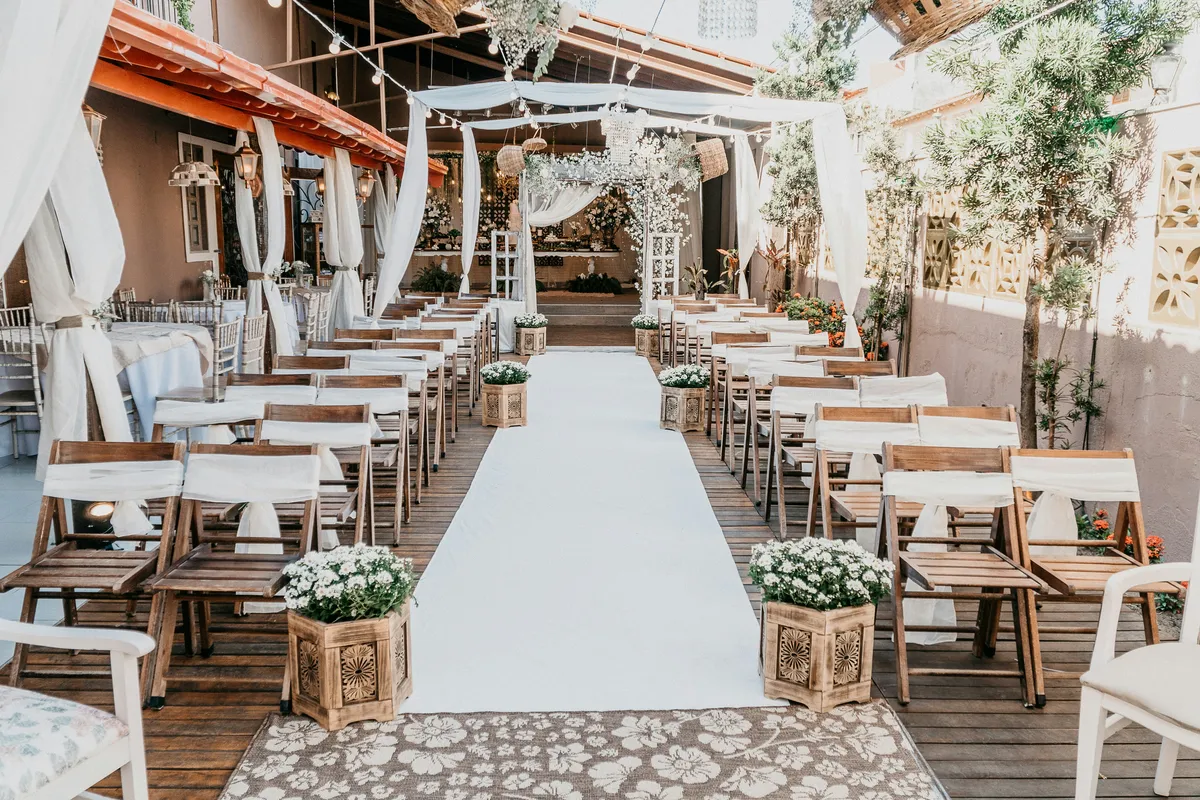
Most venues in the wedding capital make you tour before they talk money. Ma Maison posts its whole rate sheet on its own website, which tells you plenty about how the place runs. The estate spreads 23 acres of French country grounds around Lac Moise, with two answers to Hill Country weather: the Grove's stone altar above the water and an indoor chapel that saves a rained out April date. Capacity runs 300 seated indoors and 600 outdoors. Elopements cost $1,500 for up to 25 guests, and a micro wedding covers 100 for $25,000 with catering, florals, DJ, and photography folded in. A full wedding averages about $250 a guest. Beer, wine, and champagne are yours to bring.

Ernst and Antoinette Gruene built their home here in 1857, and their son went on to build Gruene Hall, the dance hall that made the family name famous. The hall does not host weddings, full stop. Gruene Estate is the workaround history provided: marry on the family's original homestead, in an open air chapel fitted with antique European stained glass beneath a brass bell tower, then walk your guests down the road for a public after party at the hall itself. The estate takes 225 to 250 guests, and the site fee spans $4,000 to $6,000 across six hours, with a ceremony alone booking for $1,000. Music ends at 11pm sharp. The Main House sleeps eight.

Hill Country wedding budgets usually die by a thousand line items, so consider the City of Wimberley's counteroffer: a published municipal fee schedule. Blue Hole Regional Park rents its ceremony sites by the hour at $75 to $275 depending on the spot, plus a weekend surcharge of $50 to $75. The swim area itself, capacity 300 beneath a stand of bald cypresses, opens for ceremonies only from October 1 through April 30, once swimming season ends. The Community Pavilion holds 85 year round, and the amphitheater seats 40. A three hour pavilion booking on a weekend totals somewhere between $800 and $900. You bring every vendor yourself, and the city requires hired security when alcohol is served. There is no sales tour and no quote request, only a rate card from city hall.
Scroll, and the stack spreads itself.


We picked all forty venues ourselves. No venue paid to appear or to be featured, and none saw its writeup before publication. The numbers come from venue websites, published rate sheets, and one municipal rental packet, checked in August 2026. Venues raise prices without telling directories, so treat every figure as an opening position and confirm it directly before signing anything.
The three briefings we hand every couple before they sign anything out here.

Any county clerk in Texas can issue the license, and it works in all 254 counties, so apply wherever the line is shortest.
Read the guide →
The Hill Country year has two prime windows, one when the summer heat finally breaks and one when the bluebonnets come up.
Read the guide →
The venues out here run on a different rulebook than a downtown hotel: you may own the alcohol, the sheriff is the noise ordinance, and your guests will sleep twenty dark miles from the dance floor.
Read the guide →Listings are free and chosen editorially. Here is what earns one.
Introduce your venue